
Empowering children for a brighter future
Every child learns differently. For those with specific learning differences, the right support at the right time can be genuinely life-changing, not just academically but in terms of confidence, independence and self-belief. At DyslexiaExplained, we provide diagnostic assessments and tailored guidance to help children and young people understand how they learn and discover what they are truly capable of:
Enhanced self-esteem: Children and young people with learning differences can find their confidence affected over time. The assessment process will give them and their families clarity, which is itself the first step toward progress.
Improved academic performance: Identifying the right support early means children and young people can access targeted interventions and begin to achieve in ways that reflect their real potential.
Increased independence: Understanding how you learn equips you with strategies that extend well beyond the classroom. Children and young people who receive the right support are better prepared for higher education, employment and adult life.
Embracing Neurodivergence: We believe that difference is not deficit. Dyslexia brings its own strengths in creativity, lateral thinking and problem-solving and our work is grounded in that conviction.
Diagnostic Assessments
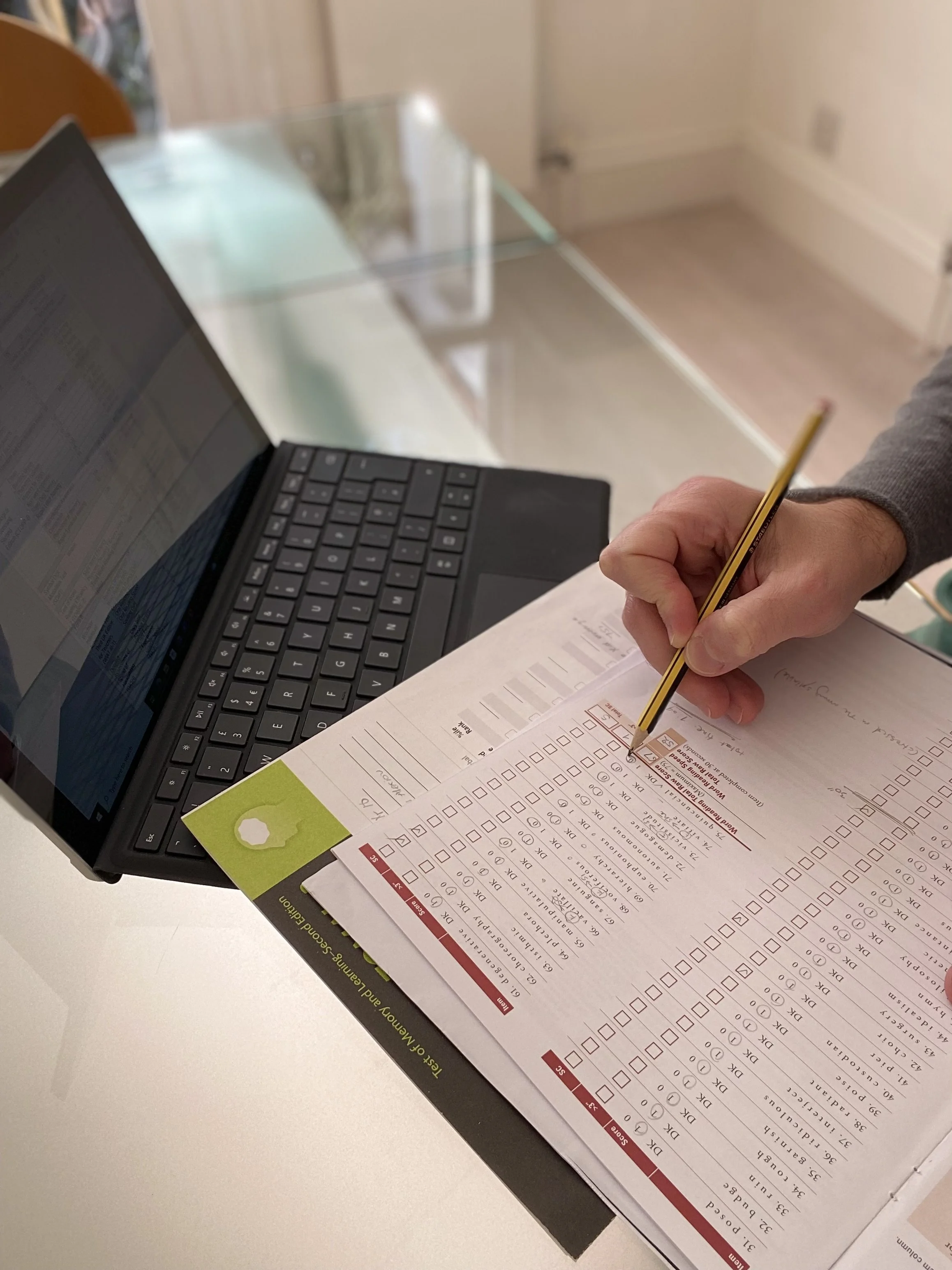
A comprehensive assessment to determine whether an individual has dyslexia. It involves a series of tests and observations to assess various aspects of reading, writing, and language skills, as well as ruling out other possible causes for learning difficulties. The assessments aim to provide a detailed profile of the individual’s strengths and weaknesses in these areas, ultimately leading to a formal diagnosis of dyslexia.
Access Arrangements
The Joint Council for Qualifications (JCQ) defines Access Arrangements as special provisions or accommodations made for pupils / students with disabilities or specific needs to ensure they have equal access to educational assessments, particularly during examinations. These arrangements can include extra time, the use of a computer, a scribe, a reader, or other reasonable adjustments tailored to an individual's needs.

Disabled Student’s Allowance
The DSA is a government-funded program designed to provide financial support and assistance to disabled students pursuing higher education. Established to ensure equal access and opportunities for education, DSA offers tailored support based on an individual student's needs and requirements. It plays a critical role in promoting inclusivity and ensuring that disabled students have the necessary tools and support to succeed in higher education in the UK.
“The British Dyslexia Association has adopted the Rose definition of dyslexia:”
Definition of Dyslexia Rose Report 2009
“Dyslexia isn’t a stumbling block; it’s a brushstroke of uniqueness. In the canvas of challenges, we paint a picture of resilience and creativity, turning every hurdle into a masterpiece of strength and potential”